
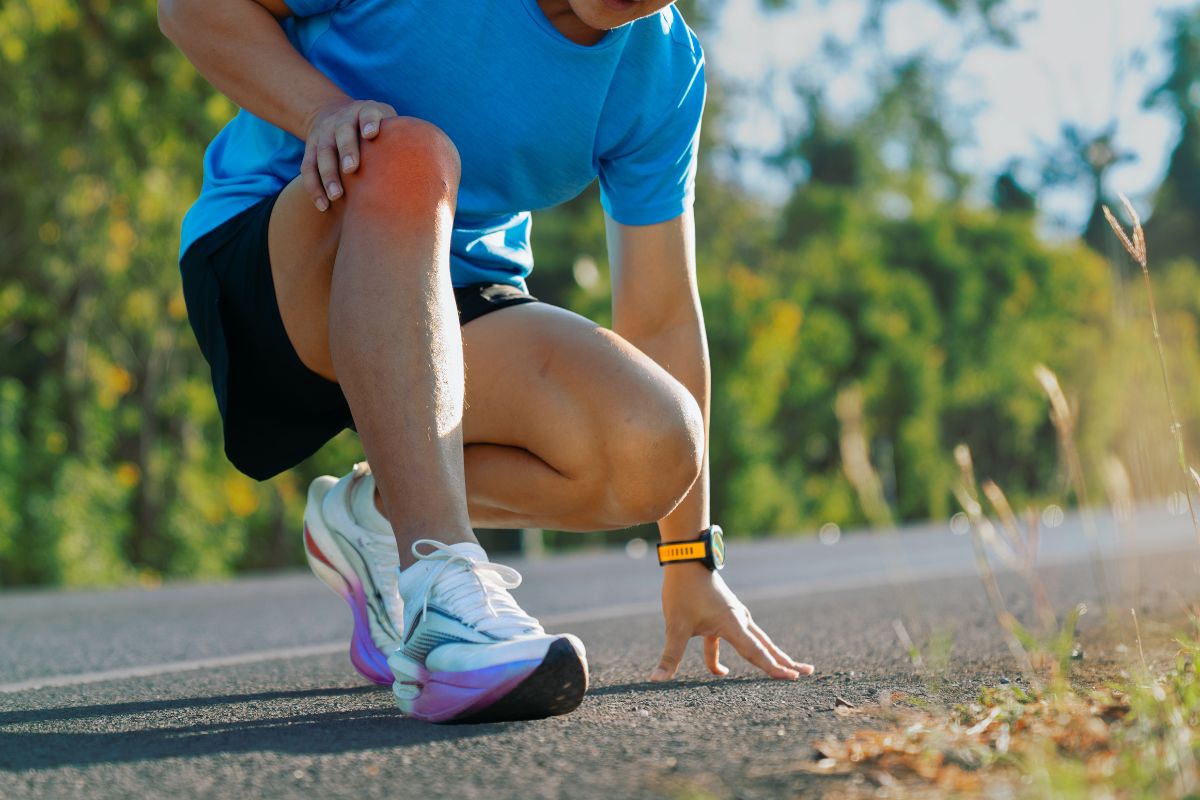
Why Recovery Matters More Than You Think
As winter fades and the days grow longer, many people feel motivated to move more. Whether you’re returning to the gym, taking up running, or simply walking outdoors again, physical activity is one of the best ways to support overall health.
But movement is only half of the equation. Recovery is where the body rebuilds, strengthens, and adapts. Without proper recovery, muscle soreness, fatigue, and tension can make it harder to stay consistent with your fitness goals.
That’s why many active individuals are exploring CBD (Cannabidiol) as part of their recovery routine.
Understanding Muscle Recovery
After exercise, your muscles experience small amounts of stress and microscopic strain. This is completely normal and part of how muscles grow stronger. However, it can also lead to temporary discomfort such as:
- Muscle soreness
- Tightness or stiffness
- Fatigue
- Reduced flexibility
Supporting your body during this recovery period helps you return to activity feeling refreshed rather than exhausted.
How CBD May Support Post-Workout Recovery
CBD interacts with the body’s endocannabinoid system (ECS), a network of receptors that helps regulate balance across several functions including stress response, sleep, and inflammation.
While research is ongoing, many people use CBD to support recovery because it may:
🌿 Help Soothe Muscle Tension
CBD topicals, such as creams or balms, are often applied directly to sore muscles after workouts.
💆 Support Relaxation
Physical recovery is closely tied to nervous system relaxation. CBD may help the body shift into a calmer state after intense activity.
😴 Promote Restful Sleep
Sleep is one of the most important aspects of recovery. CBD may help improve relaxation before bedtime, which supports the body’s natural repair process.
⚖️ Encourage Overall Balance
By supporting the ECS, CBD may help the body maintain equilibrium during periods of physical stress.
Popular Ways to Use CBD for Recovery
There are several ways to incorporate CBD into a fitness or recovery routine.
CBD Topicals
Creams, balms, and roll-ons can be applied directly to areas of soreness. Many athletes prefer topicals because they target specific muscles.
CBD Oils or Tinctures
Taken sublingually (under the tongue), CBD oil may support whole-body relaxation after exercise.
CBD Capsules or Gummies
These provide a convenient option for consistent dosing, especially as part of a nightly recovery routine.
Additional Recovery Tips to Pair with CBD
CBD works best as part of a broader recovery plan. Consider combining it with these proven strategies:
- Hydration: Water supports muscle function and nutrient delivery.
- Stretching: Gentle stretching after workouts helps reduce stiffness.
- Balanced nutrition: Protein and nutrient-dense foods support muscle repair.
- Sleep: Aim for 7–9 hours of rest each night.
- Active recovery: Light movement like walking or yoga can promote circulation.
Building a Simple Recovery Routine
A balanced post-workout routine might look like this:
- Cool down and stretch after exercise.
- Apply a CBD topical to areas that feel tight or sore.
- Hydrate and eat a balanced meal.
- Take a warm shower or bath.
- Use CBD oil in the evening to support relaxation before sleep.
Consistency with these habits helps your body recover faster and perform better over time.
Final Thoughts
Staying active is one of the best ways to support long-term health, but recovery should never be overlooked. By supporting relaxation, sleep, and muscle comfort, CBD may complement a thoughtful recovery routine and help you stay consistent with your movement goals.
Whether you’re a seasoned athlete or simply enjoying more outdoor activity this spring, a balanced approach to recovery can keep you feeling strong and energized.
Disclaimer: This article is for informational purposes only and does not constitute medical advice. Consult a healthcare professional before using CBD or beginning a new supplement or fitness regimen.